
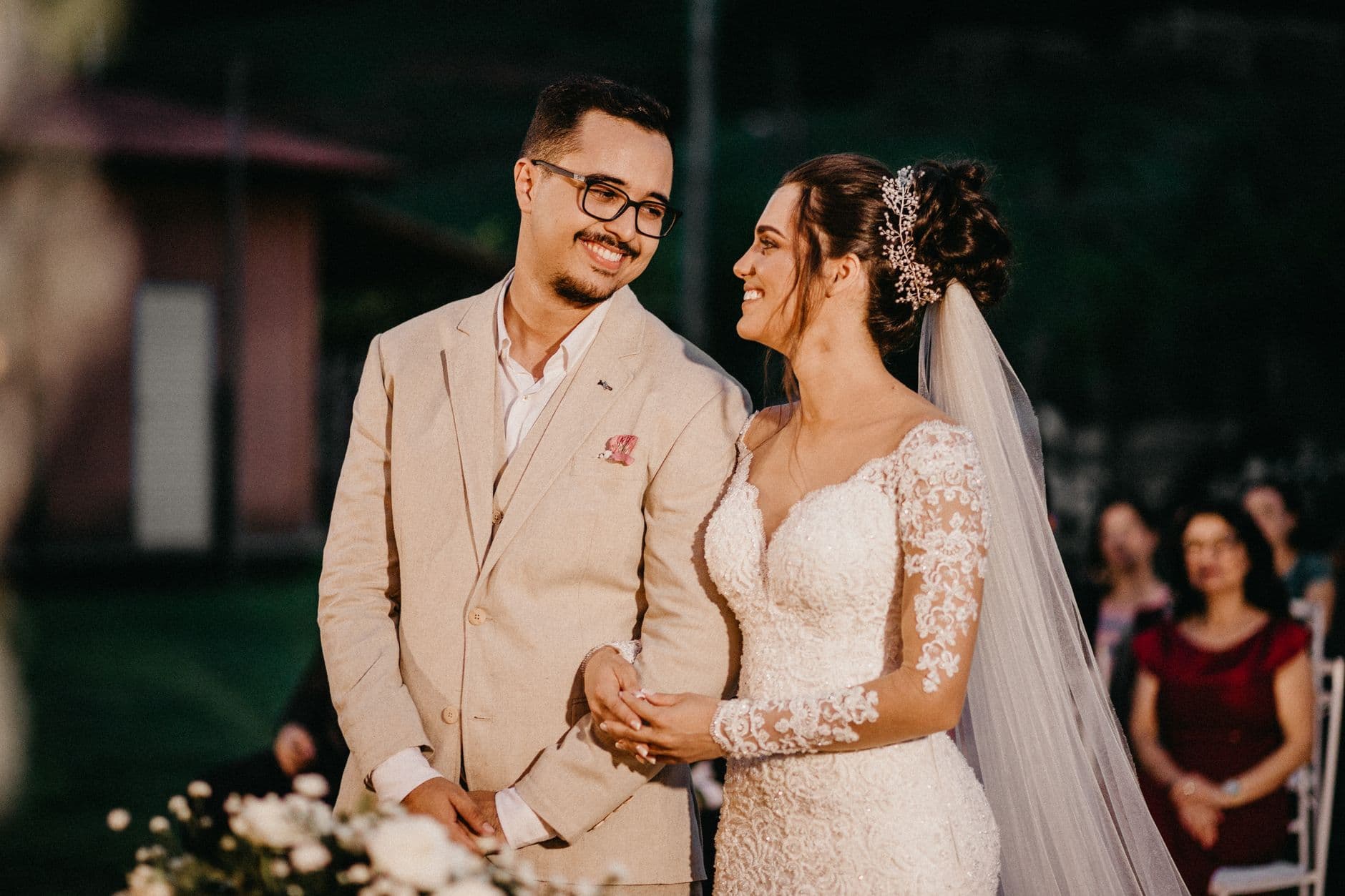
The marriage green card interview is the moment your relationship meets the U.S. government face to face. For most couples it is routine. But the nerves are real, because the officer's job is to decide one thing: is this marriage genuine, or was it entered into for immigration benefits?
The good news is that the interview is not a trap. Officers are not trying to catch a loving couple in a gotcha. They ask practical, repetitive questions because a real shared life produces consistent, specific answers almost automatically. According to USCIS (uscis.gov), the interview is a standard step in the family-based green card process for spouses of U.S. citizens and lawful permanent residents.
At Nagima Law, we prepare couples for this interview in English, Russian, Turkish, Turkmen, and Uzbek — so nothing is lost in translation and no honest couple is tripped up by nerves or language. This guide lays out the questions you should expect and, more importantly, how to walk in ready.
Key takeaways
- The interview exists to confirm a bona fide marriage — a real relationship, not a transaction.
- Questions cluster around a few predictable themes: how you met, daily life, your home, finances, each other's families, and future plans.
- Minor differences in your answers are normal. A pattern of major contradictions is what causes problems.
- If the officer has doubts, they may order a Stokes interview, where spouses are questioned separately — preparation matters most here.
What the marriage green card interview actually is
After you file the I-130 petition and (for most applicants adjusting status in the U.S.) the I-485 application, USCIS schedules an interview at a local field office. Both spouses attend. The officer reviews your paperwork, confirms your identities, places you under oath, and asks questions to verify that the marriage is real and that you remain eligible.
The officer is weighing the whole picture: your documents, your demeanor, and your answers together. No single question decides your case. A couple who built a genuine life together — shared home, shared money, shared future — almost always shows it naturally.
If your relationship has complicating facts (a prior marriage, a large age gap, a short courtship, living apart for work, or limited English), those are not automatic problems, but they do deserve preparation. That is exactly the kind of case our marriage green card lawyer team prepares couples for every week.
The questions officers actually ask
Below are the categories officers draw from, with real examples. Read them together as a couple. The point is not to memorize scripted answers — it is to make sure you both genuinely know the basics of your shared life.
How you met and your relationship history
- How, when, and where did you first meet?
- Who introduced you, or how did you start talking?
- When did you decide to get married, and who proposed?
- Where did the wedding take place, who attended, and what did you do afterward?
- Did you go on a honeymoon? Where?
Your daily life together
- What time does each of you wake up and go to sleep?
- Who makes breakfast? Who does the cooking and the dishes?
- What did you do together last weekend?
- What did you have for dinner last night?
- Which side of the bed does each of you sleep on?
- Who handles the laundry, cleaning, and grocery shopping?
Your home
- What is your home address, and how many rooms are there?
- What color are the walls in your bedroom?
- What appliances are in the kitchen?
- How do you get to work from home, and how long does it take?
- Who are your neighbors?
Finances and shared responsibilities
- Do you have a joint bank account? Which bank?
- How do you divide the bills and rent or mortgage?
- Who pays for what?
- Do you have any shared debts, insurance, or a lease in both names?
Each other's families and circle
- What are the names of your spouse's parents and siblings?
- Have you met your in-laws? When did you last see or speak with them?
- Does your spouse have children? What are their names and ages?
- Who were the guests at your wedding?
Your future together
- Do you plan to have children, or more children?
- Are you planning to move, buy a home, or travel?
- What are your goals as a couple for the next few years?
No couple is asked every question on this list, and officers improvise based on your file and your answers. The theme is always the same: the texture of a shared life.
The Stokes interview: when couples are separated
If an officer has real doubts after the first interview, USCIS can schedule what immigration lawyers call a Stokes interview. The spouses are separated, each is asked the same detailed questions, and the answers are compared side by side.
This sounds intimidating, and it is more serious than a routine interview — but a couple with a genuine relationship can get through it. Preparation is essential, because the questions get granular (what did you eat for dinner on a specific recent night, who dropped off the dry cleaning, what gifts you exchanged). If your case has already drawn extra scrutiny, do not go into a Stokes interview without a lawyer.
Red flags that lead to tougher questioning
Certain facts tend to invite more questions. They are not disqualifying, but they call for stronger evidence and preparation:
- A very short time between meeting and marrying.
- A large age difference or significant language barrier.
- Spouses living at different addresses, even for legitimate reasons like work or school.
- Thin documentary evidence of a shared financial life.
- A prior marriage-based petition in either spouse's history.
The answer to every one of these is the same: prepare, and bring evidence that tells the true story of your relationship. An honest explanation supported by documents is far stronger than hoping the topic does not come up.
How to prepare the right way
- Review your own application together. Re-read the forms you filed. The officer will ask about what is in them, and your answers should match your paperwork.
- Organize your evidence. Bring originals and copies of identity and civil documents, plus proof of a shared life: a joint lease or mortgage, joint bank and credit statements, shared bills and insurance, photos together across time, and travel records.
- Practice, but do not script. Run through the question categories above as a couple. The goal is to confirm you both know your shared life, not to recite rehearsed lines.
- Tell the truth, always. If you do not know an answer, say so honestly. Guessing or inventing details is far more damaging than a simple "I'm not sure."
- Address weak spots in advance. If something in your case needs explaining, prepare that explanation with evidence before the interview — ideally with an attorney's help.
What happens after the interview
Sometimes the officer approves the case at the interview and tells you so. More often, you leave without a decision while the officer finishes reviewing the file. You may receive an approval notice, a request for additional evidence, or, in cases with unresolved doubts, a notice for a follow-up or Stokes interview.
If you were approved through marriage to a U.S. citizen and your marriage was less than two years old when you got the green card, remember you will receive a two-year conditional card and must file to remove conditions later. Keep building and saving evidence of your shared life — you will need it again.
Walk in prepared, not anxious
Honest couples pass marriage green card interviews every day. What separates a smooth interview from a stressful one is almost always preparation: knowing what to expect, organizing the right evidence, and addressing any complicating facts ahead of time instead of being surprised by them.
That is the work we do with every couple at Nagima Law — a full mock interview, a document review, and a clear plan, in your own language. If your interview is coming up or your case has any wrinkles, book a consultation and we will prepare you together, or contact Nagima Law with your questions. A full one-hour consultation is $175 and includes a case review and a personalized plan.
This article is general information, not legal advice, and does not create an attorney-client relationship. Consult a licensed immigration attorney about your specific case.